Hydrofit Products Manufacturer
Contact : +91-79045 61980
Email: hydrofitengineers@gmail.com
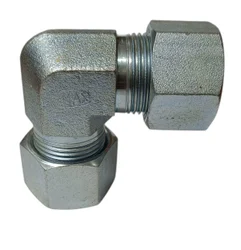
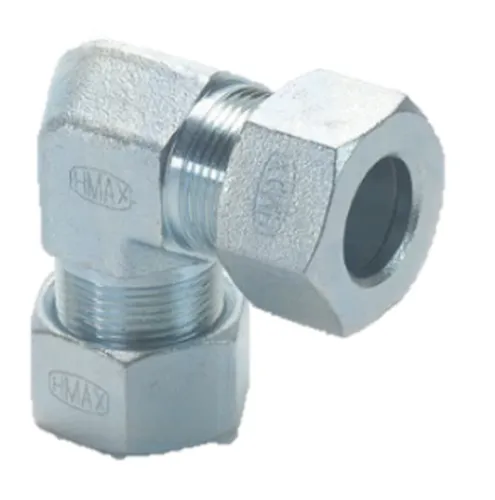
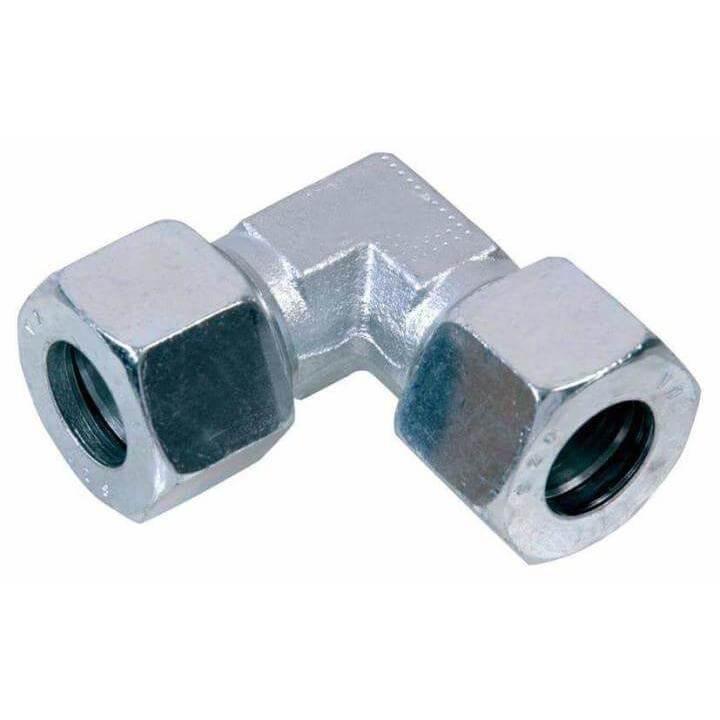
HYDRAULIC EQUAL ELBOW
A hydraulic equal elbow is a hydraulic fitting used to change the direction of fluid flow in a hydraulic system. It is called an equal elbow because the angle of the bend is equal on both sides of the fitting. Hydraulic equal elbows come in different sizes and configurations to suit different hydraulic applications.
Types of Hydraulic Equal Elbows
Hydraulic equal elbows come in different types based on their configuration and size. Some of the commonly used types of hydraulic equal elbows are as follows:
90 Degree Elbows: 90 degree elbows are the most commonly used hydraulic fittings. They consist of an elbow-shaped fitting with a 90-degree angle on both sides. 90 degree equal elbows are used in applications where the hydraulic system requires a change in direction without a significant change in the flow rate.
45 Degree Elbows: 45 degree elbows are used in applications where the hydraulic system requires a moderate change in direction. They consist of an elbow-shaped fitting with a 45-degree angle on both sides.
30 Degree Elbows: 30 degree elbows are used in applications where the hydraulic system requires a small change in direction. They consist of an elbow-shaped fitting with a 30-degree angle on both sides.
Materials Used for Hydraulic Equal Elbows
Hydraulic elbows are generally offered in two material of constructions – Carbon Steel and Stainless Steel, These are offered in brass also for pneumatic and other applications.
Carbon Steel: Carbon Steel is the most commonly used material for hydraulic elbows. It is strong, durable, and can withstand high pressure and temperature. Carbon Steel fittings are used in applications where the hydraulic system requires high strength and resistance to corrosion.
Stainless Steel: Stainless steel is used in applications where the hydraulic system requires resistance to corrosion and high temperature. Stainless steel fittings are used in food processing, chemical processing, and pharmaceutical industries.
Brass: Brass is used in applications where the hydraulic system requires resistance to corrosion and low pressure. Brass fittings are used in pneumatic and hydraulic systems.
Installation of Hydraulic Equal Elbows
The installation of these elbows is critical to ensure proper operation and prevent leakages in due course. The following steps should be followed when installing hydraulic elbows:
Cleaning the fittings: Before installation, it should be ensured that the fittings are clean and free of debris. Any dirt or debris in the fittings will mix with the oil and will damage to the hydraulic system.
Application of thread sealant: Thread sealant should be applied to the male threads of the hydraulic elbow. The thread sealant helps to prevent leaks and ensures a tight seal between the fitting and the hydraulic system.
Tighten the fittings: Hand-tighten the fittings and then use a wrench to tighten them to the manufacturer’s recommended torque specification. Over-tightening or under-tightening the fittings can cause leaks and damage to the hydraulic system.
Test the system: After installation, test the hydraulic system for leaks and proper operation. Any leaks should be addressed immediately to prevent damage to the hydraulic system.
These elbows are an essential component of hydraulic systems. They allow for changes in direction without a significant change in the flow rate.
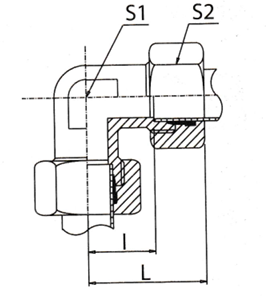
EQUAL ELBOW (EE)
|
OD of Tube |
Working Pressure |
I |
L* |
S1 |
S2
|
Part No. |
|
6 8 10 12 15 18 |
L Light Max 250 Bar |
12 14 15 17 21 23.5 |
27 29 30 32 36 40 |
12 12 14 17 19 24 |
14 17 19 22 27 32 |
HFT-EE-6L HFT-EE-8L HFT-EE-10L HFT-EE-12L HFT-EE-15L HFT-EE-18L |
|
22 28 35 42 |
Max 100 Bar |
27.5 30.5 34.5 40 |
44 47 56 63 |
27 36 41 50 |
36 41 50 60 |
HFT-EE-22L HFT-EE-28L HFT-EE-35L HFT-EE-42L |
|
6 8 10 12 14 |
S Heavy Max 500 Bar |
16 17 17.5 21.5 22 |
31 32 34 38 40 |
12 14 17 17 19 |
17 19 22 24 27
|
HFT-EE-6S HFT-EE-8S HFT-EE-10S HFT-EE-12S HFT-EE-14S |
|
16 20 25 |
Max 400 Bar |
24.5 26.5 30 |
43 48 54 |
24 27 36 |
30 36 46 |
HFT-EE-16S HFT-EE-20S HFT-EE-25S |
|
30 38 |
Max 200 Bar |
35.5 41 |
62 72 |
41 50 |
50 60 |
HFT-EE-30S HFT-EE-38S |
Hydraulic Products
- Hydraulic Fittings
- Quick Release Couplings
- Stucchi Quick Release Couplings
- Holmbury Quick Release Couplings
- Faster Quick Release Couplings
- Hydraulic Quick Release Couplings
- Pneumatic Quick Release Couplings
- Dry Quick Disconnect Couplings
- Double Check Valve Quick Release Couplings
- Quick Release Couplings for Agriculture
- Quick Release Couplings for Water
- Quick Release Couplings for Gas Applications
- Single Check Valve Quick Release Coupling
- Hydraulic Tube & Pipes
- Hydraulic Hose Assembly
- Hydraulic Hoses
- High Pressure Valves
- Hydraulic Pumps
- Hydraulic Tube & Pipe Clamps
- Hydraulic Flanges
- Hydraulic Accessories
- Hydraulic Valves
- Hydraulic Motor