Hydraulic accessories are components that are used in conjunction with hydraulic systems to perform various functions, such as control, measurement, and maintenance
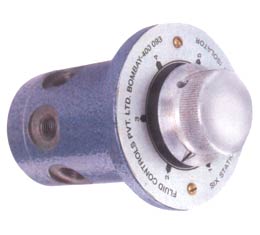
Multistation Gauge Isolator
Hydraulic Accessories for Industrial Hydraulic Systems
Hydraulic accessories support filtration, reservoir maintenance, monitoring and line control in industrial fluid-power systems. Based in Chennai, Hydrofit Engineers supplies the existing accessory range to industrial customers across India.
Product selection should follow the circuit function and the relevant model data. Filters, breathers, gauges, isolators, couplings and pilot check valves each serve a different purpose within a hydraulic system.
How to Select Hydraulic Accessories
Select an accessory according to its intended position and function in the circuit. Confirm the connection or thread, hydraulic fluid, required flow and working pressure where known, mounting space, operating temperature and the mating component.
Pressure capability is model-specific. Confirm the published rating for the selected filter, valve, gauge isolator or other component instead of applying one value across the range.
Hydraulic Accessories Range
The existing range covers flexible drive couplings, filler and threaded breathers, suction strainers, fluid level gauges, gauge isolators, return-line filters, pressure-line filters, inline filters and pilot check valves. Review each product card for its intended function and confirm the model details before purchase.
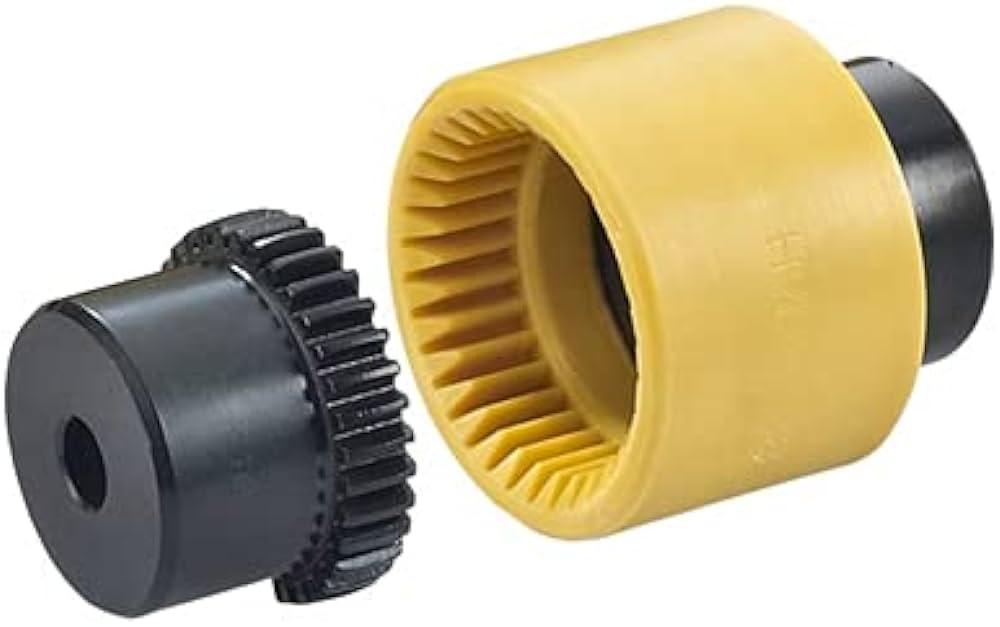
Flexible Drive Coupling-
A flexible drive coupling is used to connect two shafts while allowing slight misalignment. It helps in reducing vibration and absorbing mechanical stress. This improves the life of connected components and ensures smooth power transmission.
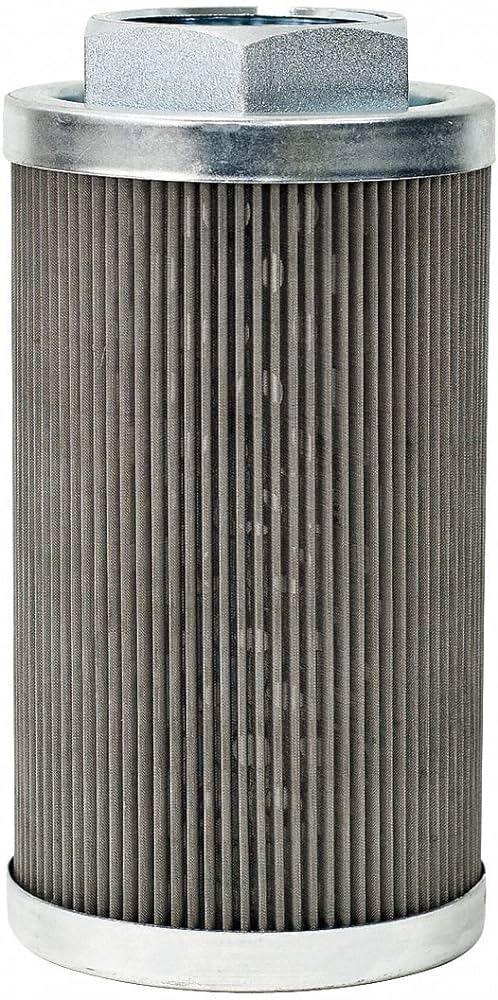
Suction Strainer-
A suction strainer is installed in the intake line of the hydraulic system. It filters larger particles before the fluid reaches the pump, protecting it from damage and ensuring clean fluid circulation.
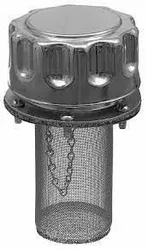
Filler Breather-
A filler breather allows hydraulic fluid to be filled into the reservoir while also maintaining proper air flow. It prevents dust and moisture from entering the system and helps maintain fluid quality
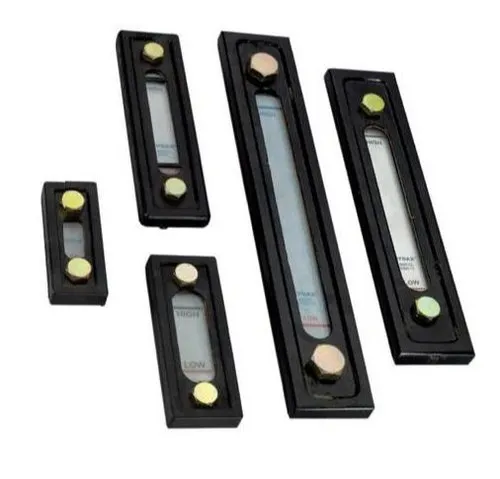
Fluid Level Gauge-
A fluid level gauge helps monitor the oil level inside the reservoir. Maintaining the correct fluid level is important for proper system operation and avoiding damage caused by low or excess fluid.
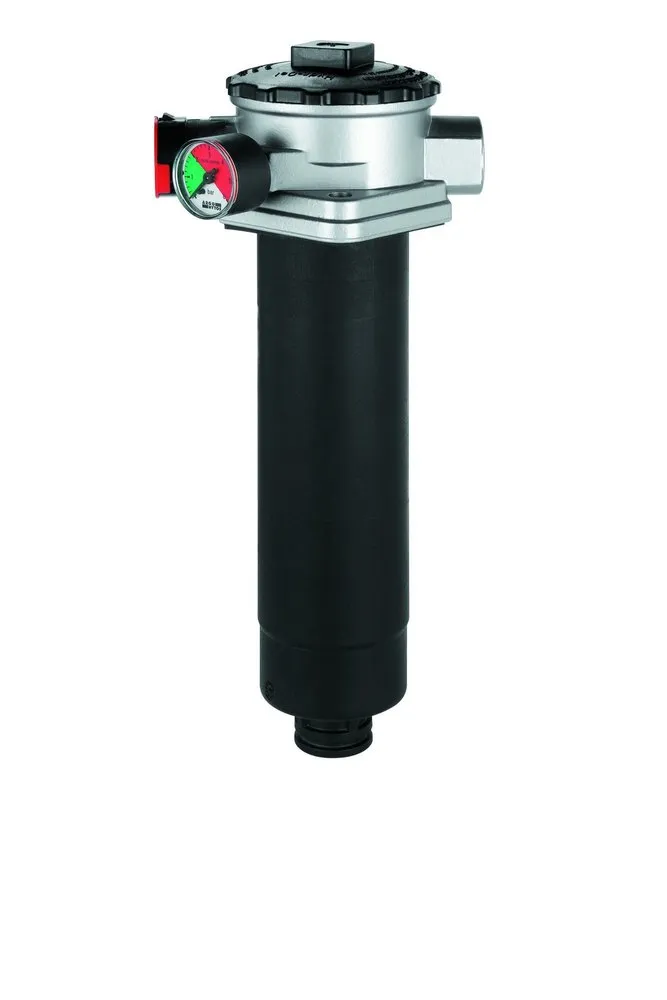
Return Line Filter-
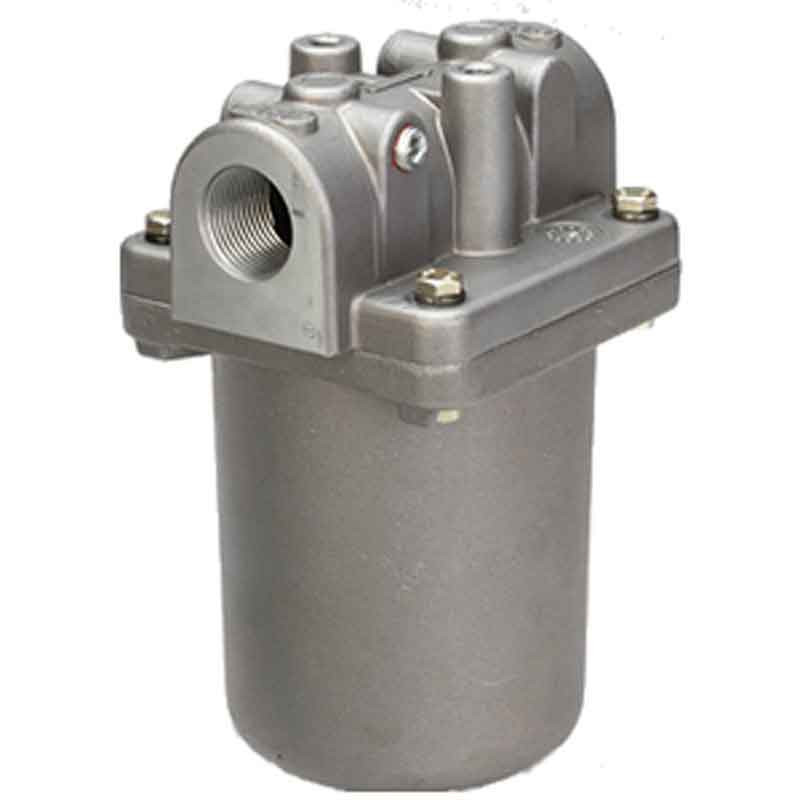
A return line filter is used to clean the fluid before it returns to the reservoir. It removes contaminants generated during operation and helps maintain overall system cleanliness.
Pressure Line Filter-
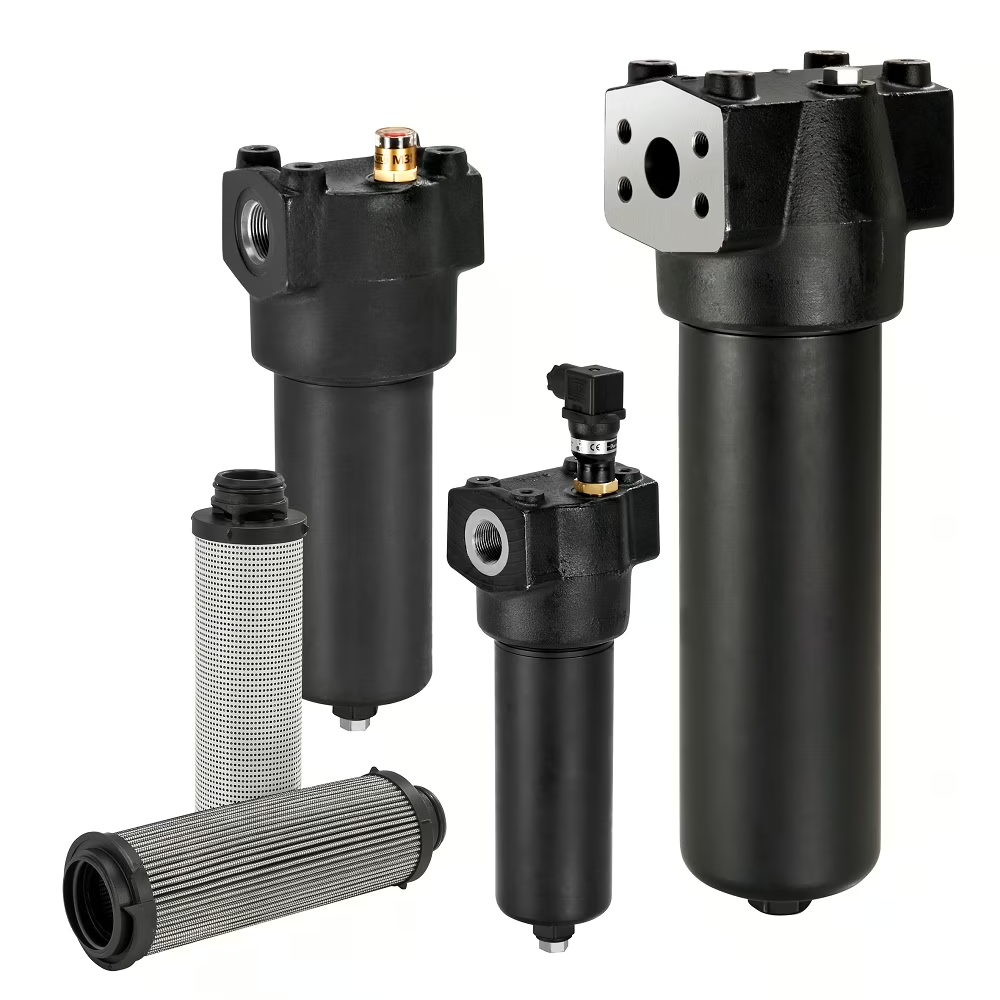
A pressure line filter is installed in high pressure areas of the system. It protects sensitive components by ensuring that only clean fluid flows through the system under pressure.
Inline Filter-
An inline filter can be installed at different points in the hydraulic line. It helps in removing impurities and maintaining fluid cleanliness throughout the system.
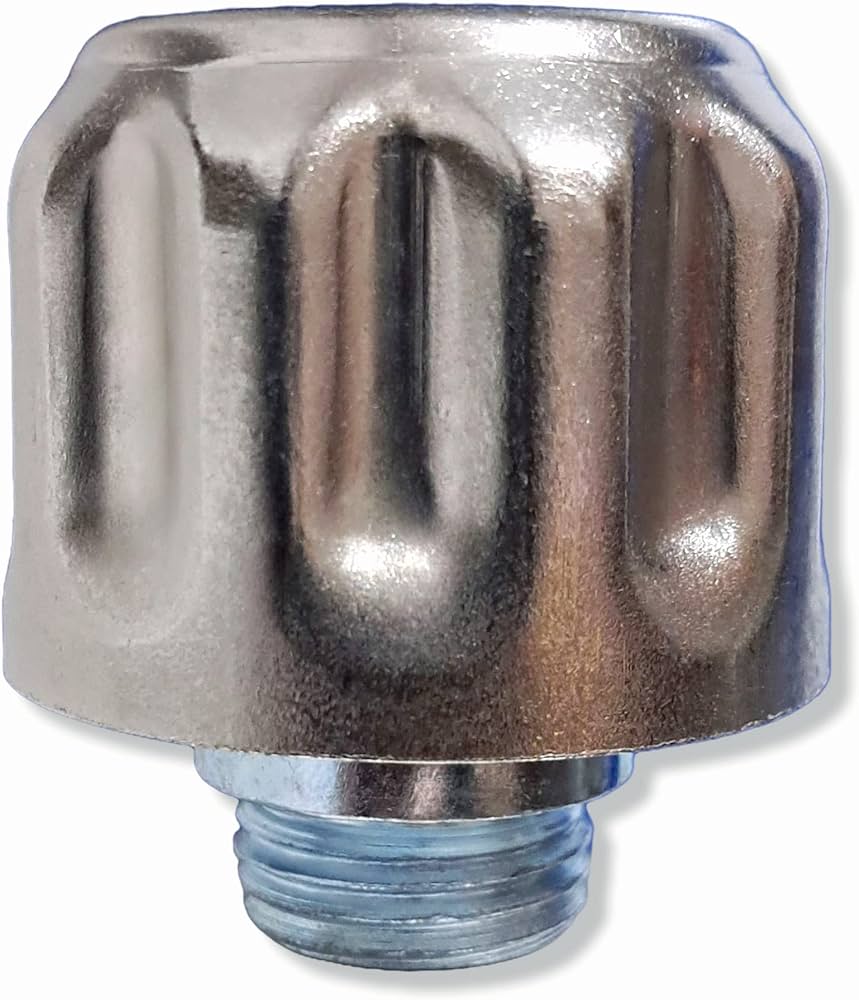
Threaded Breather-
A threaded breather is used to maintain pressure balance inside the hydraulic tank. It allows air exchange while preventing dust and moisture from entering the system.
Single Station Gauge Isolator-
A single station gauge isolator is used to protect pressure gauges from continuous exposure to system pressure. It helps in improving the life and accuracy of the gauge.
Multistation Gauge Isolator-
A multistation gauge isolator allows multiple pressure points to be checked using a single gauge. It improves system monitoring and reduces the need for multiple instruments.
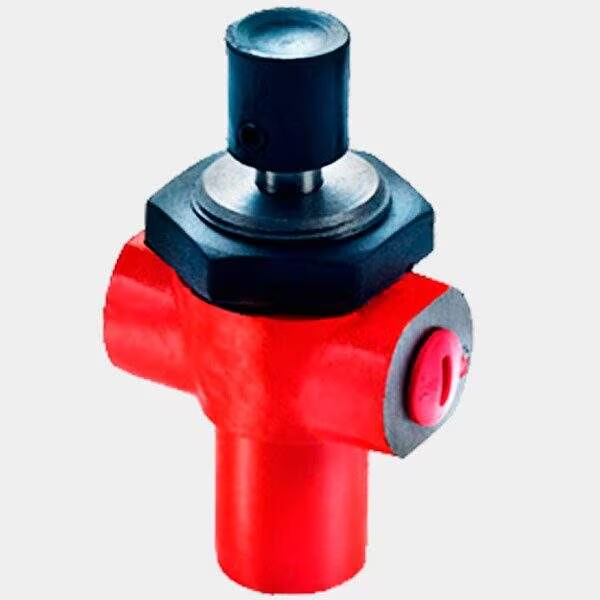
Single Pilot Check Valve-
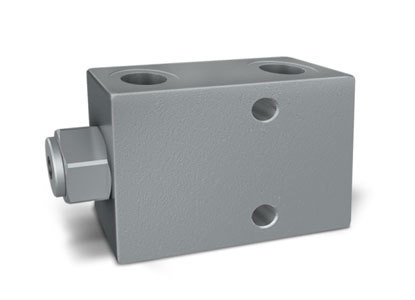
A single pilot check valve allows fluid flow in one direction and blocks reverse flow until pilot pressure is applied. It is useful in applications where controlled movement is required.
Double Pilot Check Valve-
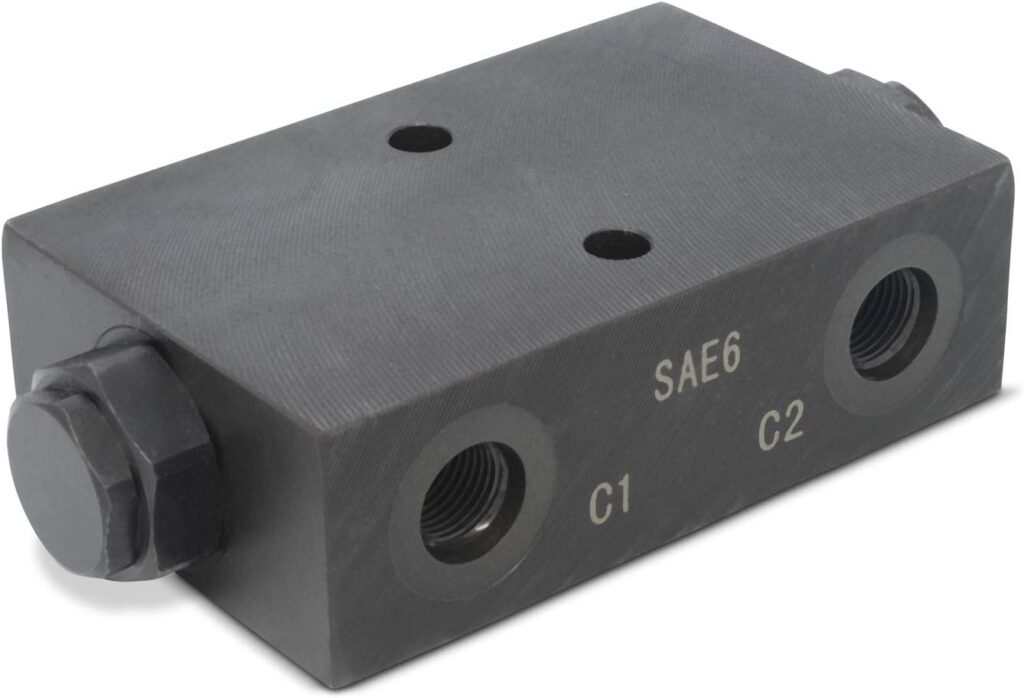
A double pilot check valve provides control in both directions. It helps in holding the load securely and is commonly used in lifting and clamping applications.
Additional Hydraulic Components
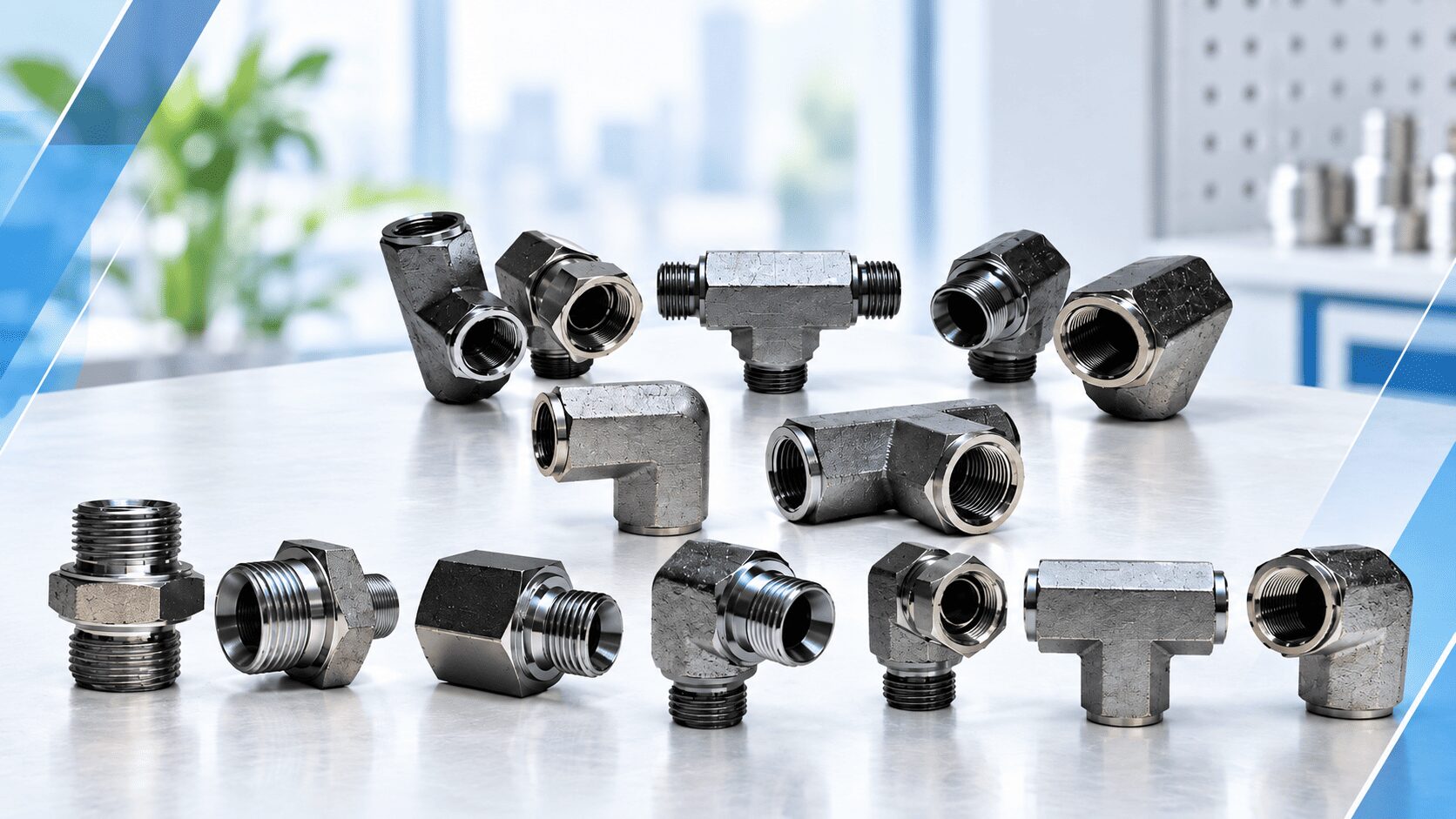
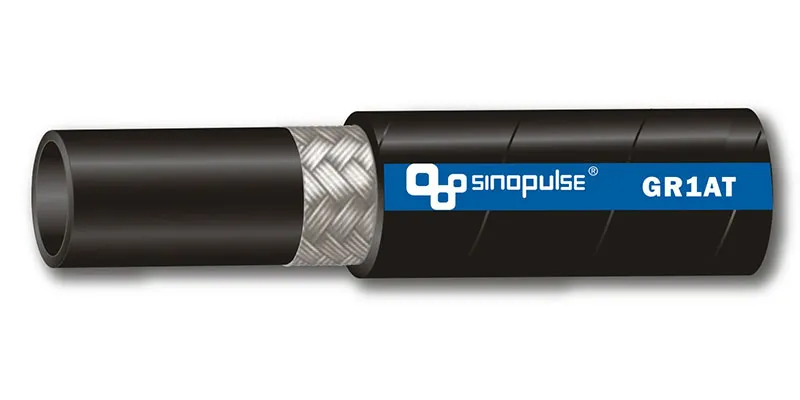
Apart from the above, we also deal in other essential hydraulic system components such as hoses, fittings, pressure gauges, flow meters, filters, accumulators, and relief valves. These components play a key role in connecting, controlling, and protecting the entire system.
Industrial Applications
The accessory range supports hydraulic power units, manufacturing machinery, construction and material-handling equipment, agricultural machinery and other industrial fluid-power systems. The appropriate component depends on the circuit design and operating conditions.
Information Required for an Accessory Enquiry
To identify the suitable accessory, share the component type, application, hydraulic fluid, connection or thread, line position, required flow and working pressure where known, mounting space, operating temperature, quantity and any existing part number, drawing or clear product photograph.
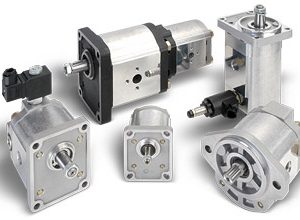
For related system components, review hydraulic pumps, hydraulic fittings and hydraulic valves where they are relevant to the circuit.
Related Hydraulic Components
Hydraulic accessories are selected alongside pumps, fittings, valves and hoses when they are part of the same circuit requirement. Review the relevant category to identify compatible system components.