Hydrofit Products Manufacturer
Contact : +91-79045 61980
Email: hydrofitengineers@gmail.com
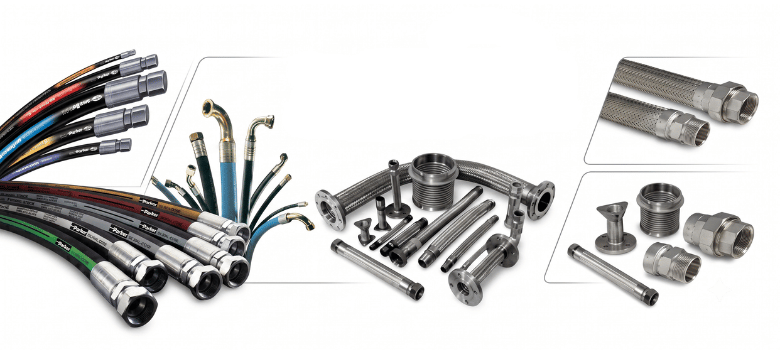
Hydraulic Hoses for Industrial Fluid Power Systems
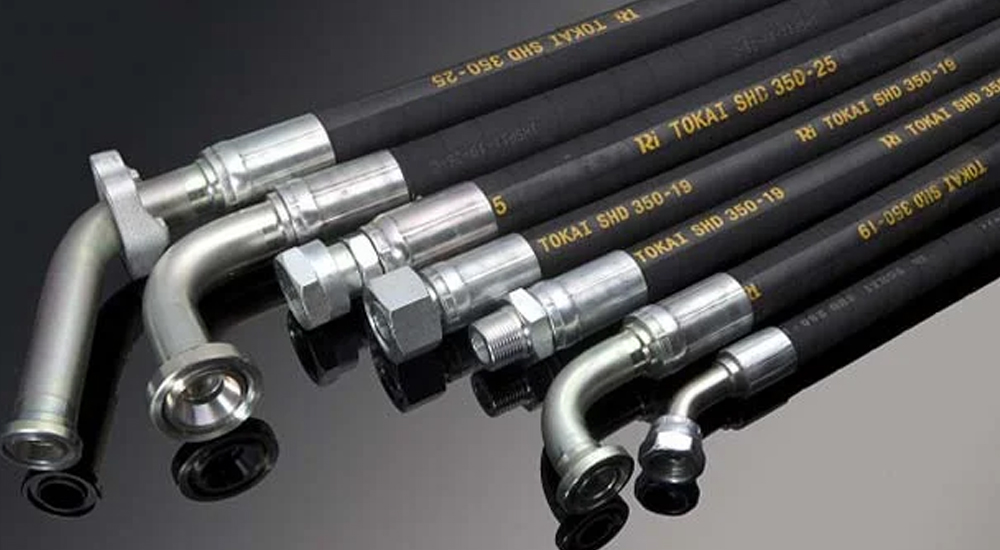
Hydrofit Engineers supplies hydraulic hoses for industrial fluid power systems. The range brings together low, medium and high-pressure hose families for applications where the applicable standard, bore size, reinforcement, working-pressure rating, bend radius and end connection must be confirmed.
Based in Chennai, Hydrofit serves industrial customers across India. The individual hose pages carry the size-by-size data used for final selection.
Hydraulic Hose Range Available
The existing product cards below provide access to the available hose families. Select the product page that matches the required hose construction and application; do not select a hose from a broad pressure category alone.
Low Pressure Hydraulic Hoses
For lower-pressure and return-line requirements, review the published details for SAE 100 R3 and SAE 100 R6 alongside the required bore, fluid and routing conditions.
Textile Reinforced Hydraulic Hoses
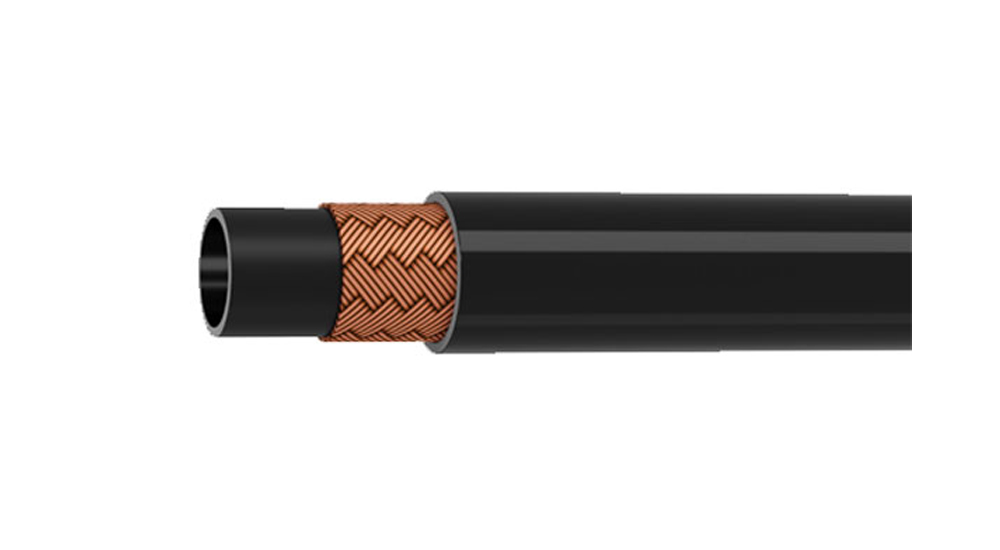
Flexible Return Line Hoses
These hoses are commonly used in agricultural machinery, industrial equipment, material handling systems and general hydraulic return lines. The actual working pressure depends on the hose size and the technical specifications provided by the manufacturer.
Medium Pressure Hydraulic Hoses
Medium pressure hydraulic hoses provide a practical balance between flexibility, durability and pressure resistance. They are generally reinforced with one or two layers of high tensile steel wire braid, depending on the hose standard and application.
The available range includes:
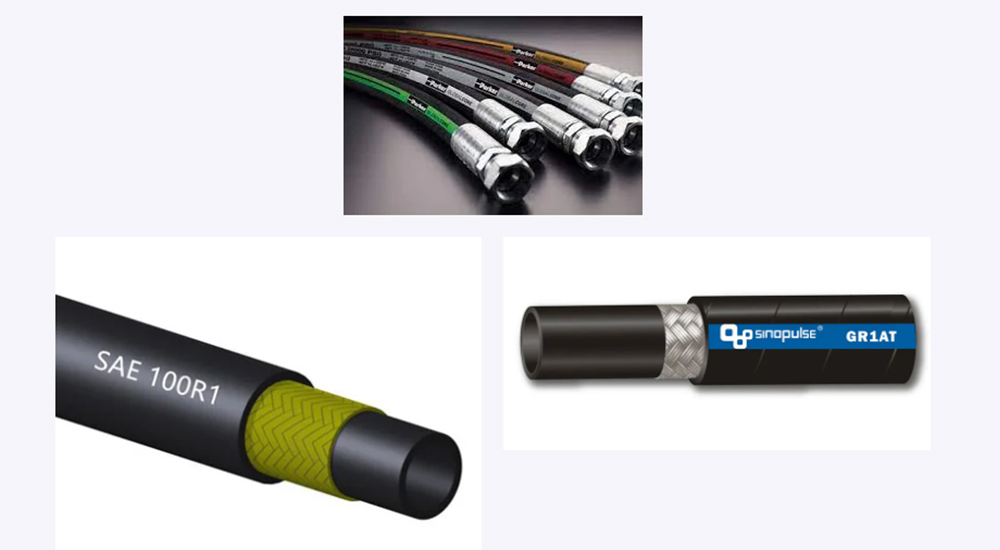
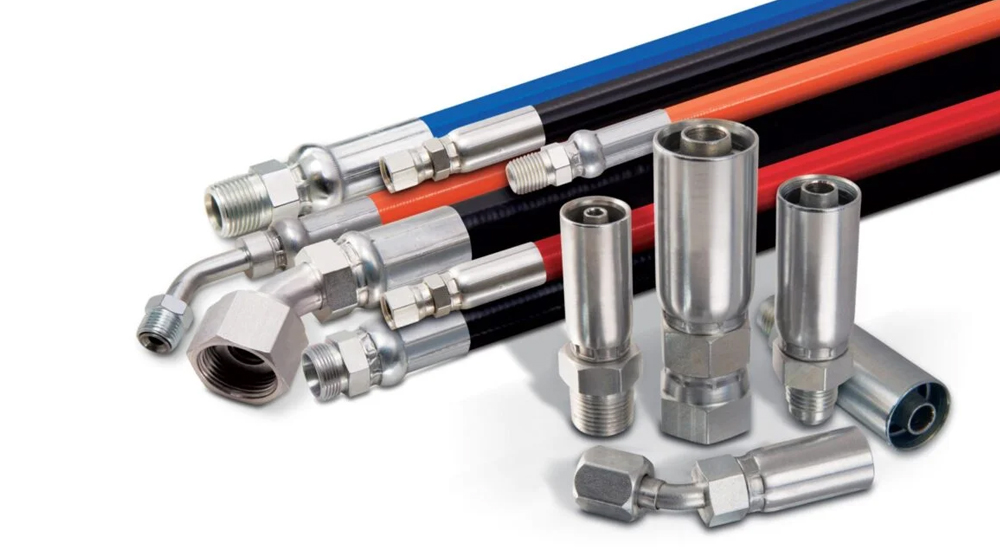


Single Wire Braided Hydraulic Hoses
Double Wire Braided Hydraulic Hoses
Compact Hydraulic Hoses
These Hydraulic hose pipe are widely used in industrial machinery, agricultural equipment, forklifts, hydraulic tools and mobile hydraulic systems. Selection should be based on the required hose diameter, system pressure, operating temperature, fluid compatibility and installation conditions.
High Pressure Hydraulic Hoses
High pressure hydraulic hoses are designed for demanding hydraulic systems where the hose must withstand higher working pressure, pressure impulses and continuous equipment movement. These hoses commonly use multiple layers of high tensile steel wire reinforcement.
The available range includes:
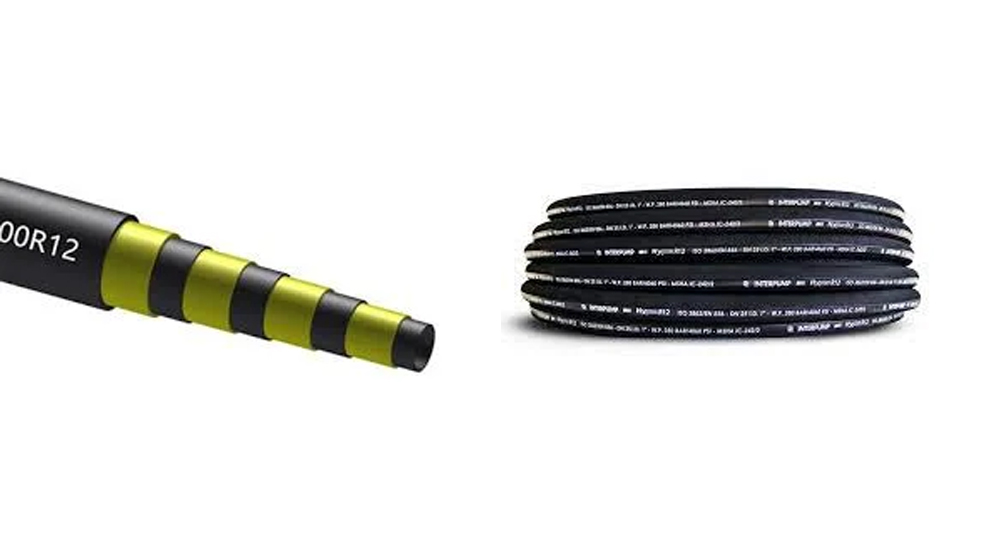
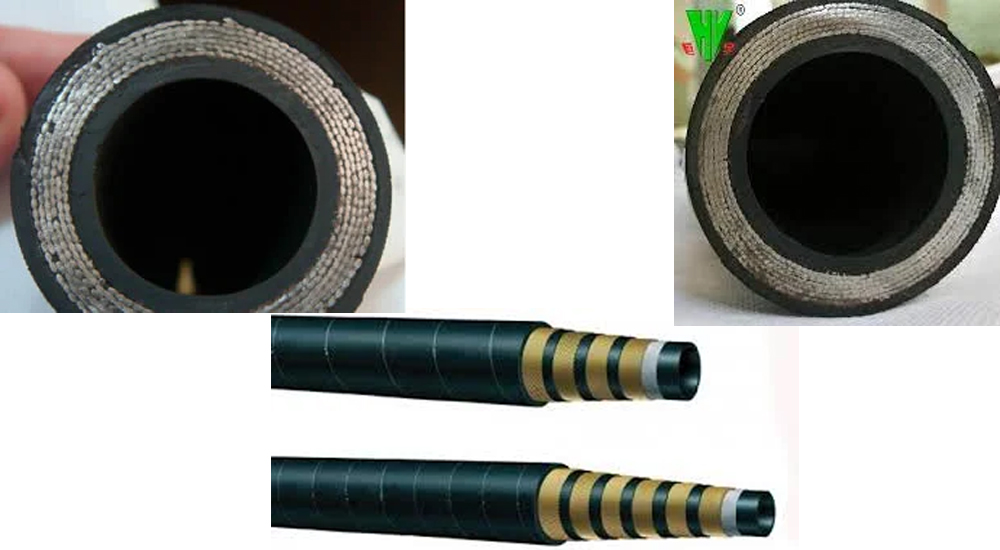
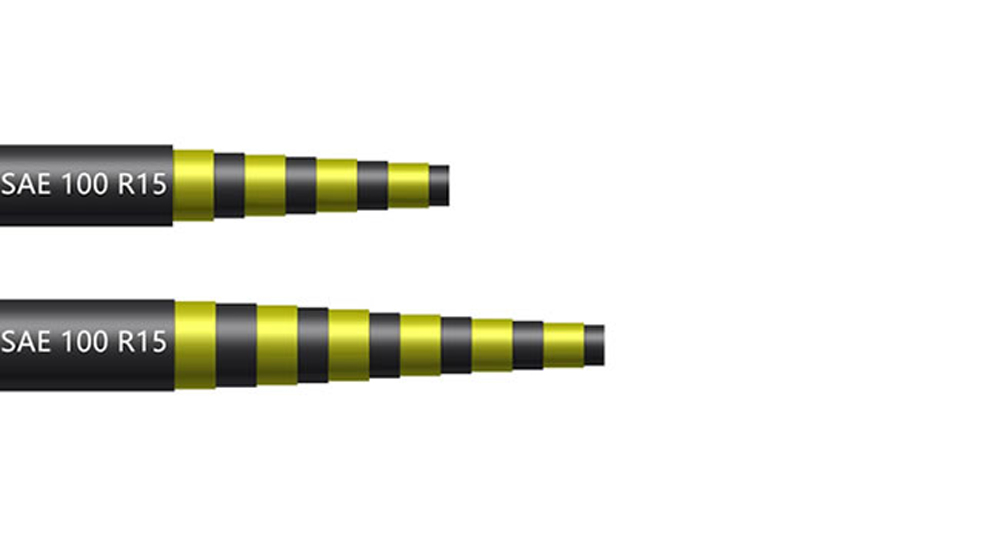
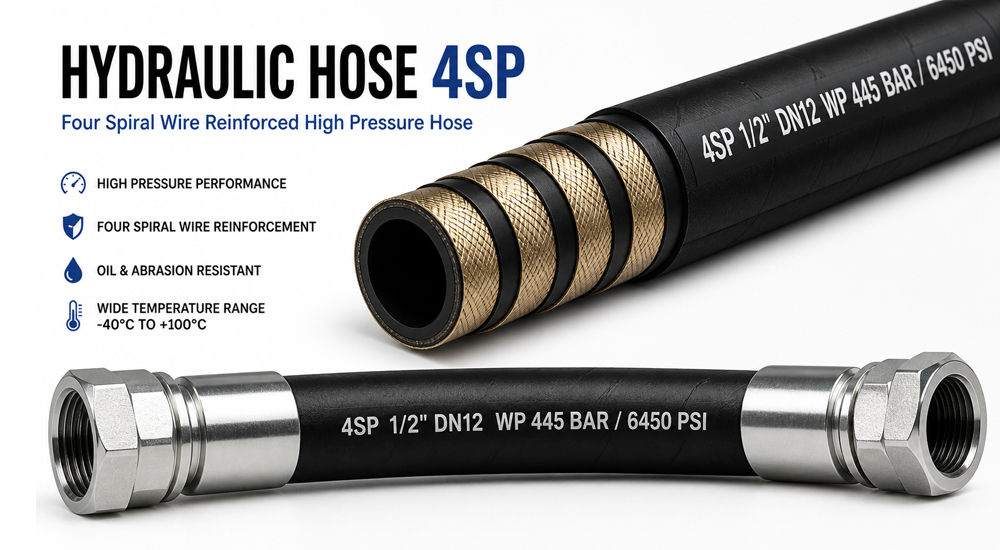
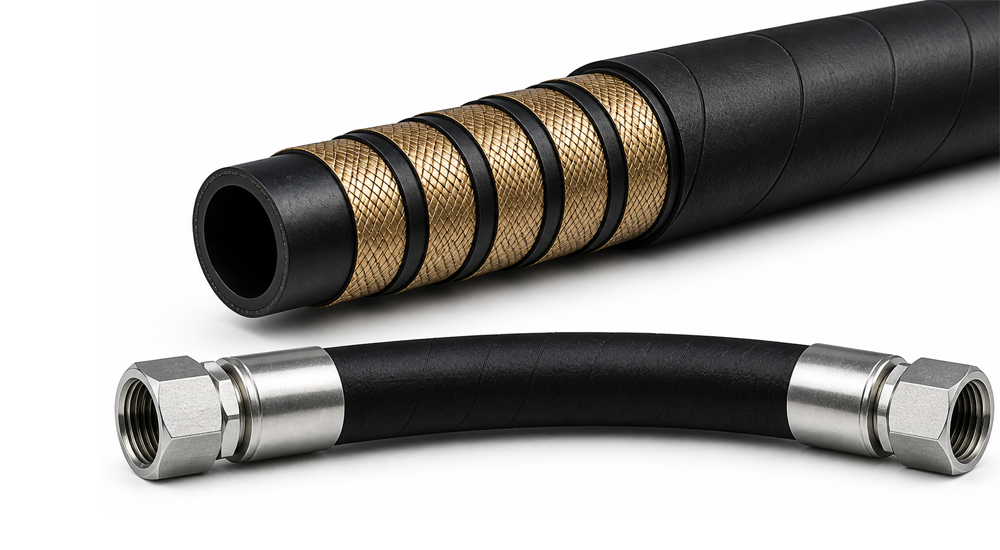
High pressure hoses are commonly required in construction machinery, earthmoving equipment, mining machinery, hydraulic presses, injection moulding machines and other heavy industrial systems.
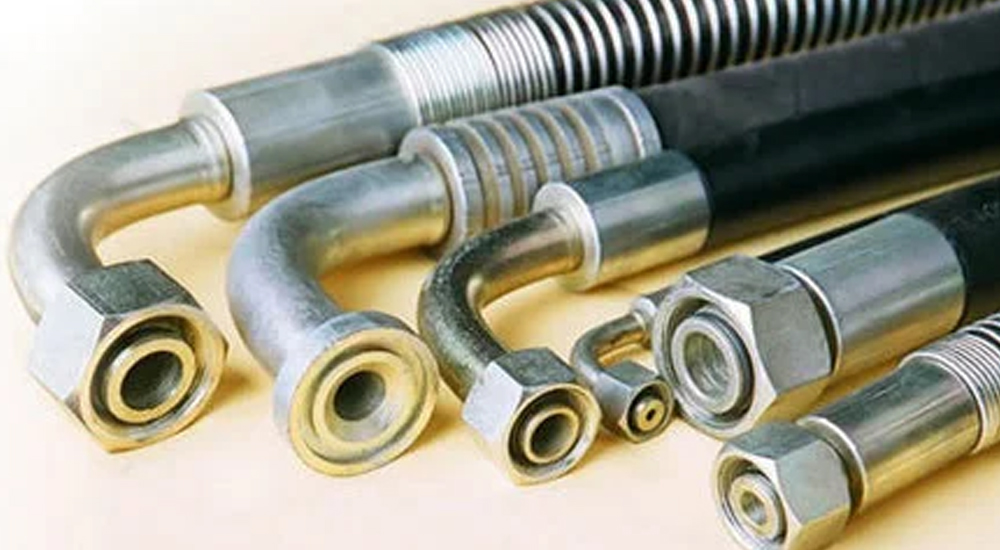
The number and arrangement of reinforcement layers affect the hose’s pressure capability and flexibility. The required hose should always be matched with compatible hydraulic hose fittings and the correct assembly specification.
Very High Pressure Hydraulic Hoses
Very high pressure hydraulic hoses are intended for specialised applications where standard hydraulic hoses may not provide the required pressure capability or safety level. These hoses require carefully selected fittings, controlled assembly methods and strict compliance with the applicable technical specifications.
The available range includes:
Hydraulic Jack Hose
Water Blast Hose 30
Water Blast Hose 40
Water Blast Hose 45
Water Blast Hose 50
Specialised Very High Pressure Hoses
Hydraulic Hose Construction
A hose is selected as a complete construction, not only by its pressure category. The inner tube carries the fluid, the reinforcement carries the load and the outer cover protects the assembly in service. Construction changes by hose series.
Inner tube
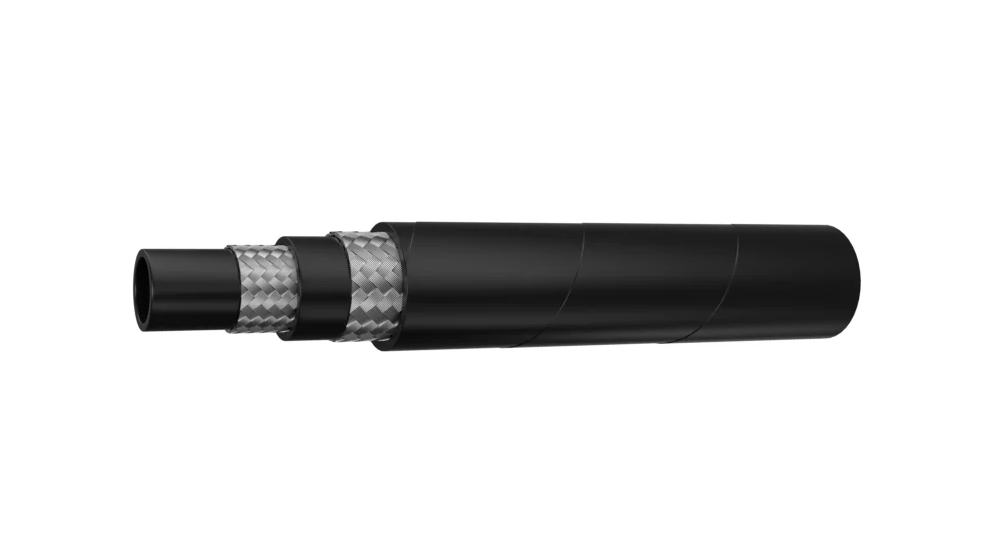
The published R1, R2, R3 and R6 product pages identify black oil-resistant NBR inner tubes. Confirm compatibility with the actual fluid or media before final selection.
Reinforcement
Published product data lists single steel-wire braid for SAE 100 R1, double steel-wire braid for SAE 100 R2, double high-tensile yarn for SAE 100 R3 and single high-tensile yarn for SAE 100 R6. It is not correct to assume that every hose uses steel wire.
Outer cover
The published R1, R2, R3 and R6 pages describe a black oil- and abrasion-resistant synthetic-rubber cover. Confirm the product-specific cover and routing requirements where a hose will face rubbing, weather or another demanding condition.
Published Hydraulic Hose Range Comparison
This parent-level comparison summarizes figures published on the dedicated SAE product pages. Confirm the selected size from the individual product table before ordering or assembling a hose.
| Type | Published ID / OD | Reinforcement | Working / burst pressure | Bend, temperature and length |
|---|---|---|---|---|
| SAE 100 R1 | ID 6–50 mm; OD 13.4–63.5 mm | Single steel-wire braid | 40–225 bar / 160–900 bar | 100–635 mm; −40 to +100°C (+120°C intermittent); 40–100+ m |
| SAE 100 R2 | ID 6–50 mm; OD 15–67.5 mm | Double steel-wire braid | 80–400 bar / 320–1600 bar | 100–635 mm; −40 to +100°C (+120°C intermittent); 40–100+ m |
| SAE 100 R3 | ID 6–50 mm; see child table for OD by size | Double high-tensile yarn | 15–87 bar / 60–348 bar | 76–409 mm; approximately −40 to +100°C; 40–100+ m |
| SAE 100 R6 | ID 6–25 mm; OD 12.7–32.5 mm | Single high-tensile yarn | 15–35 bar / 84–140 bar | 51–152 mm; approximately −40 to +100°C; 100+ m |
Working pressure and burst pressure are different values. Use the rated working pressure for normal operation; do not use burst pressure as the system operating pressure.
Hose Selection: Pressure, Bend Radius and Routing
Confirm the system working pressure, pressure impulses, fluid or media, expected temperature, required hose ID, end connection and available routing space. Pressure capability varies with the selected hose size and construction.
Do not force a hose below its published minimum bend radius. Avoid unnecessary twisting, allow for equipment movement and protect the assembly from rubbing or abrasion where practical.
Hose and Fitting Compatibility
Hose and end fitting selection must be considered together. Confirm hose size and construction, end connection, working pressure, fluid, temperature and application before specifying an assembly. See the relevant hydraulic hose fitting range and wider hydraulic fittings range.
For a high-pressure category, use the High Pressure Hydraulic Hose page to reach the appropriate product family rather than treating this parent page as a substitute for an individual product specification.
Industrial Hydraulic Hose Applications
These hose families are used in industrial fluid-power applications including manufacturing machinery, construction and material-handling equipment, agricultural machinery and mobile hydraulic systems. The equipment duty, fluid and installation conditions determine the appropriate series.
Information Required for a Hydraulic Hose Enquiry
Provide the hose type or standard if known, required ID, required length, system working pressure, fluid or media, temperature, end fittings or connection type, quantity and the application or equipment. If a detail is unknown, provide the available part number, drawing reference or clear product photographs.
Hydraulic Hoses Supply Across India
Based in Chennai, Hydrofit supplies hydraulic and related industrial products to customers across India. Confirm the selected hose specification and enquiry details before supply or assembly.
Frequently Asked Questions About Hydraulic Hoses
How do I identify the right hydraulic hose?
Match the hose to the fluid, working pressure, required bore, temperature, routing, end connection and the applicable product-page specification.
Are working pressure and burst pressure the same?
No. Working pressure is the normal rated operating value; burst pressure is a separate published value and is not the normal operating pressure.
Does every hydraulic hose use steel-wire reinforcement?
No. The published R1 and R2 pages list steel-wire braid, while the R3 and R6 pages list high-tensile yarn reinforcement. Check the individual product page for the selected series.
Why does bend radius matter?
It helps determine whether a hose can be routed without excessive bending. Use the product-page minimum bend radius with the actual machine layout and movement requirements.
Can Hydrofit supply hydraulic hoses outside Chennai?
Hydrofit is based in Chennai and serves industrial customers across India. Provide the application and hose details so the requirement can be identified accurately.
What are the four main types of hydraulic hoses available?
Hydrofit Engineers supplies low pressure, medium pressure, high pressure and very high pressure hydraulic hoses. Each category is suitable for different machinery, pressure conditions and industrial applications.
What information is required to select a hydraulic hose?
The main details are hose size, maximum working pressure, hydraulic fluid, operating temperature, application, bend requirement and end connection. A photograph of the existing hose marking can also help with identification.
What is the difference between braided and spiral hydraulic hoses?
Braided hoses normally use one or more layers of steel wire braid and provide flexibility for general hydraulic applications. Spiral hoses use multiple spiral wire reinforcement layers and are designed for more demanding pressure and impulse conditions.
What are low pressure hydraulic hoses used for?
Low pressure hydraulic hoses are generally used in return lines, lubrication systems and low pressure fluid transfer applications. SAE 100 R3 and SAE 100 R6 are included in this category.
Which hoses are suitable for medium pressure applications?
SAE 100 R1, SAE 100 R2 and SAE 100 R5 hoses are commonly considered for medium pressure applications, depending on the hose size and manufacturer’s working pressure specifications.
Which hoses are used for high pressure hydraulic systems?
SAE 100 R9, R12, R13, R15, 4SP and 4SH hoses are available for demanding hydraulic applications. The correct standard should be selected according to the actual working pressure, size, temperature and impulse conditions.
Where are very high pressure hoses used?
Very high pressure hoses are used in specialised applications such as hydraulic jacking, water blasting, pressure testing and high pressure cleaning equipment. They require compatible fittings and carefully controlled assembly procedures.
Do you supply hydraulic hose assemblies?
Hydrofit Engineers supports hydraulic hose assembly requirements with suitable hoses, fittings and end connections. The required length, hose standard, pressure and fitting orientation should be shared before selection.
Can hydraulic hoses be selected only according to PSI?
No. PSI is important, but hose diameter, operating temperature, fluid compatibility, bend radius, impulse conditions and fitting compatibility must also be considered.
Do you supply hydraulic hoses outside Chennai?
Yes. Hydrofit Engineers is based in Chennai and handles hydraulic hose and industrial product requirements for customers across India.
Hydraulic Products
- Hydraulic Fittings
- Quick Release Couplings
- Stucchi Quick Release Couplings
- Holmbury Quick Release Couplings
- Faster Quick Release Couplings
- Hydraulic Quick Release Couplings
- Pneumatic Quick Release Couplings
- Dry Quick Disconnect Couplings
- Double Check Valve Quick Release Couplings
- Quick Release Couplings for Agriculture
- Quick Release Couplings for Water
- Quick Release Couplings for Gas Applications
- Single Check Valve Quick Release Coupling
- Hydraulic Tube & Pipes
- Hydraulic Hose Assembly
- Hydraulic Hoses
- High Pressure Valves
- Hydraulic Pumps
- Hydraulic Tube & Pipe Clamps
- Hydraulic Flanges
- Hydraulic Accessories
- Hydraulic Valves
- Hydraulic Motor