Hydrofit Products Manufacturer
Contact : +91-79045 61980
Email: hydrofitengineers@gmail.com

High Pressure Instrumentation Valves
Instrumentation valves are critical components used in various industries to control and regulate the flow of fluids and gases. They are designed to provide precise control, reliability, and safety in measurement and control systems. Instrumentation valves come in various types, each serving a specific function in maintaining the accuracy and efficiency of instrumentation systems
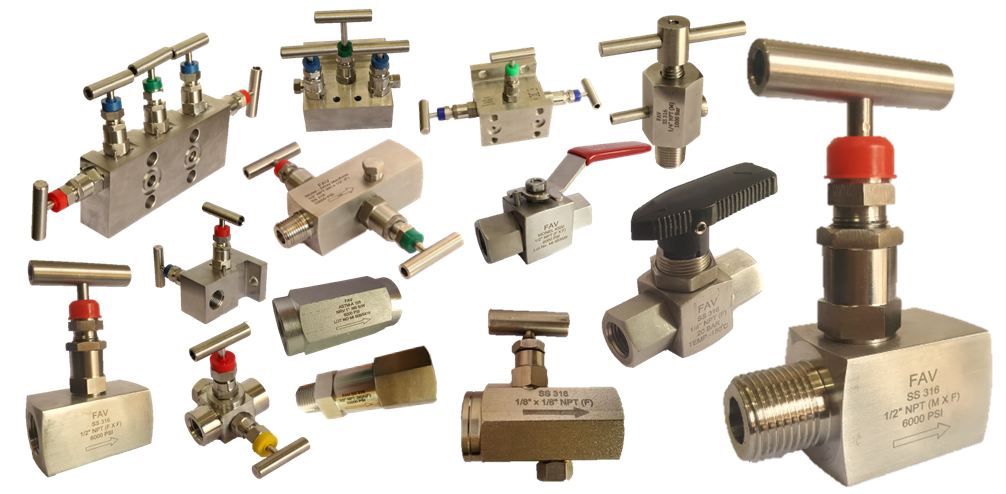
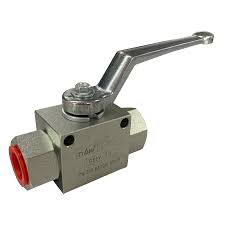
A Stainless Steel (SS) High Pressure Ball Valve is a robust and durable valve designed to control the flow of high-pressure fluids in industrial applications. These valves are highly reliable, offering tight shut-off capabilities and easy operation, making them ideal for various demanding environments
A Stainless Steel (SS) High Pressure Ball Valve is a robust and durable valve designed to control the flow of high-pressure fluids in industrial applications. These valves are highly reliable, offering tight shut-off capabilities and easy operation, making them ideal for various demanding environments
Needle Valve Stainless Steel High Pressure
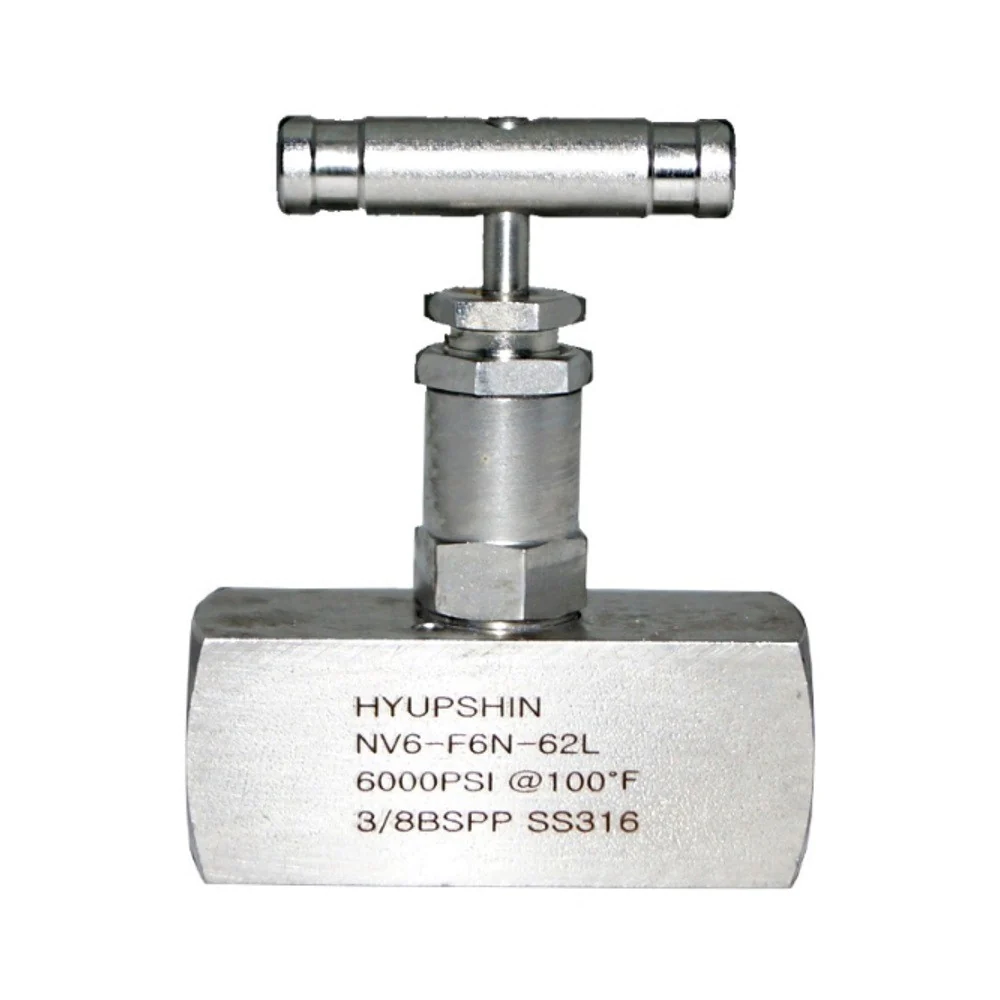
SS High Pressure Needle Valves are precision-engineered valves designed to regulate flow in high-pressure systems. The needle-shaped plunger provides fine control over fluid flow, making them ideal for applications requiring precise flow adjustments
Non Return Valve Stainless Steel High Pressure
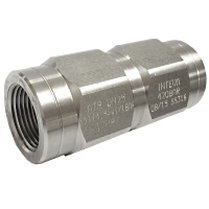
Stainless Steel High Pressure (HP) Non Return Valves, also known as check valves, are designed to allow fluid to flow in one direction only, preventing backflow. These valves are crucial in maintaining the integrity of high-pressure systems
SS 2 Valve Manifold

Stainless Steel 2 Valve Manifolds are essential components in instrumentation systems, used for isolating and equalizing pressure instruments like pressure gauges and transmitters. They combine isolation and equalization functions in a compact design
SS 3 Valve Manifold
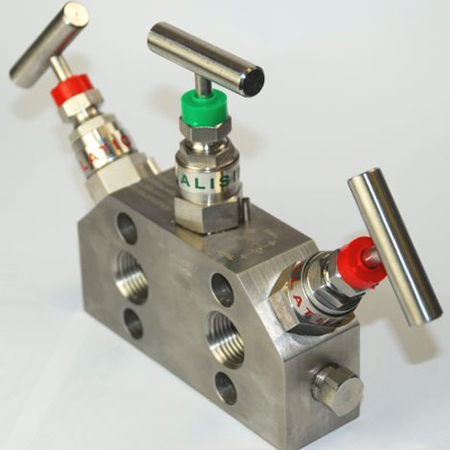
SS 3 Valve Manifolds are used in differential pressure measurement applications. They provide isolation, equalization, and venting functions in a single compact unit, ensuring accurate and reliable pressure readings
SS 5 Valve Manifold
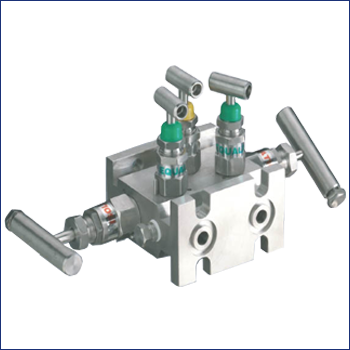
Stainless Steel 5 Valve Manifolds are advanced components used in differential pressure measurement applications. They provide isolation, equalization, and venting functions, along with additional valves for better control and maintenance
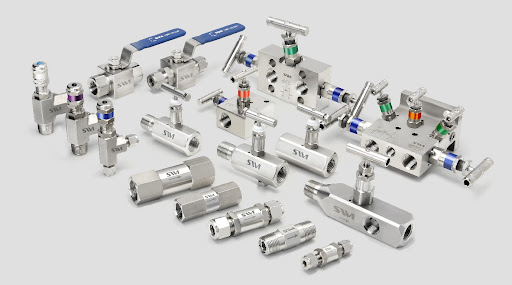
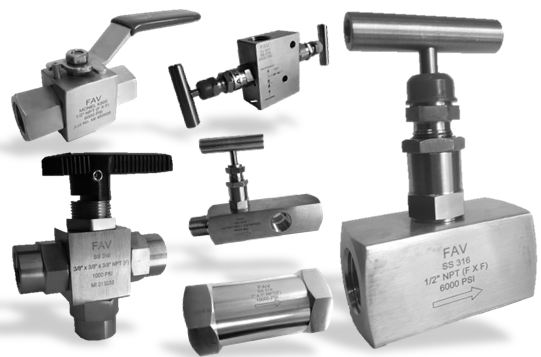
Types of Instrumentation Valves
1. Ball Valves
Ball valves are widely used for their simplicity and reliability. They consist of a spherical ball with a hole through its center that controls the flow of fluid. When the ball is rotated 90 degrees, the hole aligns with the flow path, allowing fluid to pass through. Ball valves are known for their tight shut-off capabilities and ease of operation.
Applications:
- Flow control in pipelines
- Isolation of instruments
- High-pressure applications
Advantages:
- Low pressure drop
- Quick and easy operation
- Excellent sealing properties
2. Needle Valves
Needle valves provide precise flow control by using a slender, tapered pin (needle) that moves in and out of a small seat. The fine-threaded stem allows for precise adjustments, making them ideal for applications requiring accurate flow control.
Applications:
- Flow regulation in instrumentation systems
- Calibration and testing setups
- High-pressure applications
Advantages:
- Precise flow control
- High-pressure capabilities
- Fine adjustment of flow rates
3. Check Valves (Non-Return Valves)
Check valves, also known as non-return valves, allow fluid to flow in only one direction, preventing backflow. They are essential for protecting equipment and maintaining the integrity of the system.
Applications:
- Preventing backflow in pipelines
- Protecting pumps and compressors
- Ensuring one-way flow in instrumentation systems
Advantages:
- Automatic operation
- Protects equipment from damage due to backflow
- Simple and reliable design
4. Manifold Valves
Manifold valves combine multiple valves into a single unit, providing a compact and efficient solution for isolating and equalizing pressure instruments. They come in various configurations, including 2-valve, 3-valve, and 5-valve manifolds.
Applications:
- Differential pressure measurement
- Isolation and equalization of pressure instruments
- Process control systems
Advantages:
- Compact design saves space
- Reduces installation time and costs
- Provides multiple functions in a single unit
Key Features of Instrumentation Valves
1. Material
Instrumentation valves are commonly made from stainless steel, which offers excellent resistance to corrosion, high temperatures, and wear. Other materials, such as brass and alloy steels, may also be used depending on the application requirements.
2. Pressure Rating
Instrumentation valves are designed to handle a wide range of pressures, from low to extremely high pressures (up to 60,000 PSI or more). The pressure rating depends on the valve type, material, and construction.
3. Sealing
High-quality seals are crucial for ensuring leak-proof performance in instrumentation valves. Common sealing materials include PTFE, elastomers, and metal-to-metal seals, which provide reliable sealing under various conditions.
4. Operation
Instrumentation valves can be manually operated or automated using pneumatic or electric actuators. Manual valves are typically operated by a handwheel or lever, while automated valves offer remote control and integration with control systems.
Applications of Instrumentation Valves
Instrumentation valves are used across a wide range of industries, including:
- Oil and Gas: For controlling and isolating high-pressure fluids in exploration, production, and refining processes.
- Chemical Processing: For handling aggressive chemicals and precise flow control in manufacturing processes.
- Power Generation: For managing high-pressure steam and water flows in power plants.
- Pharmaceuticals: For ensuring precise flow control and maintaining sterile conditions in drug manufacturing.
- Water Treatment: For regulating flow and preventing contamination in high-pressure water treatment systems.
Instrumentation valves are essential components in industrial systems, providing reliable and precise control of fluid and gas flows. With various types available, each designed for specific functions, instrumentation valves play a critical role in ensuring the accuracy, safety, and efficiency of measurement and control systems. Whether used in high-pressure applications, precise flow control, or preventing backflow, these valves are indispensable in maintaining the integrity of instrumentation systems across diverse industries